BPC-157 and TB-500: the recovery conversation
Two of the most-discussed research peptides in the recovery space — what the published literature describes, how they are usually studied together, and where the honest limits are.
3 August 2026 · 6 min read

What each one is
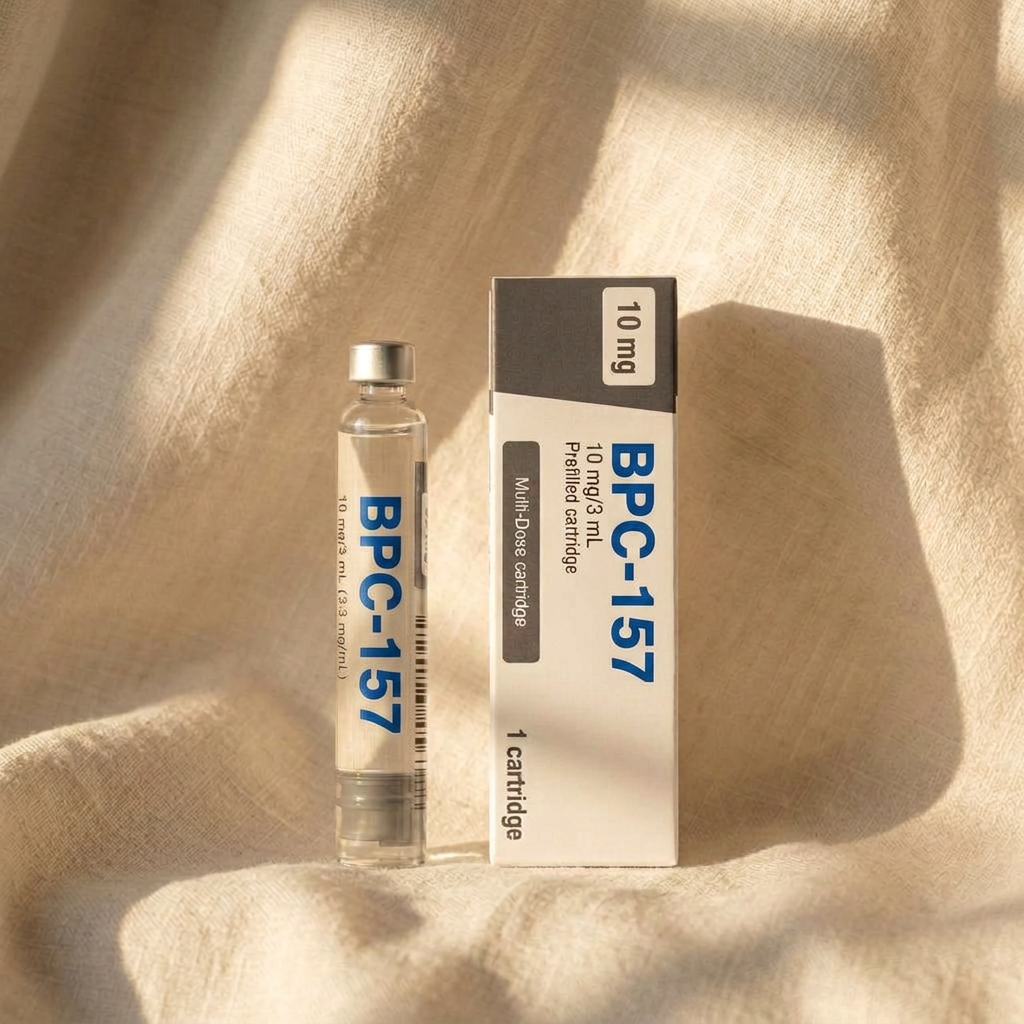
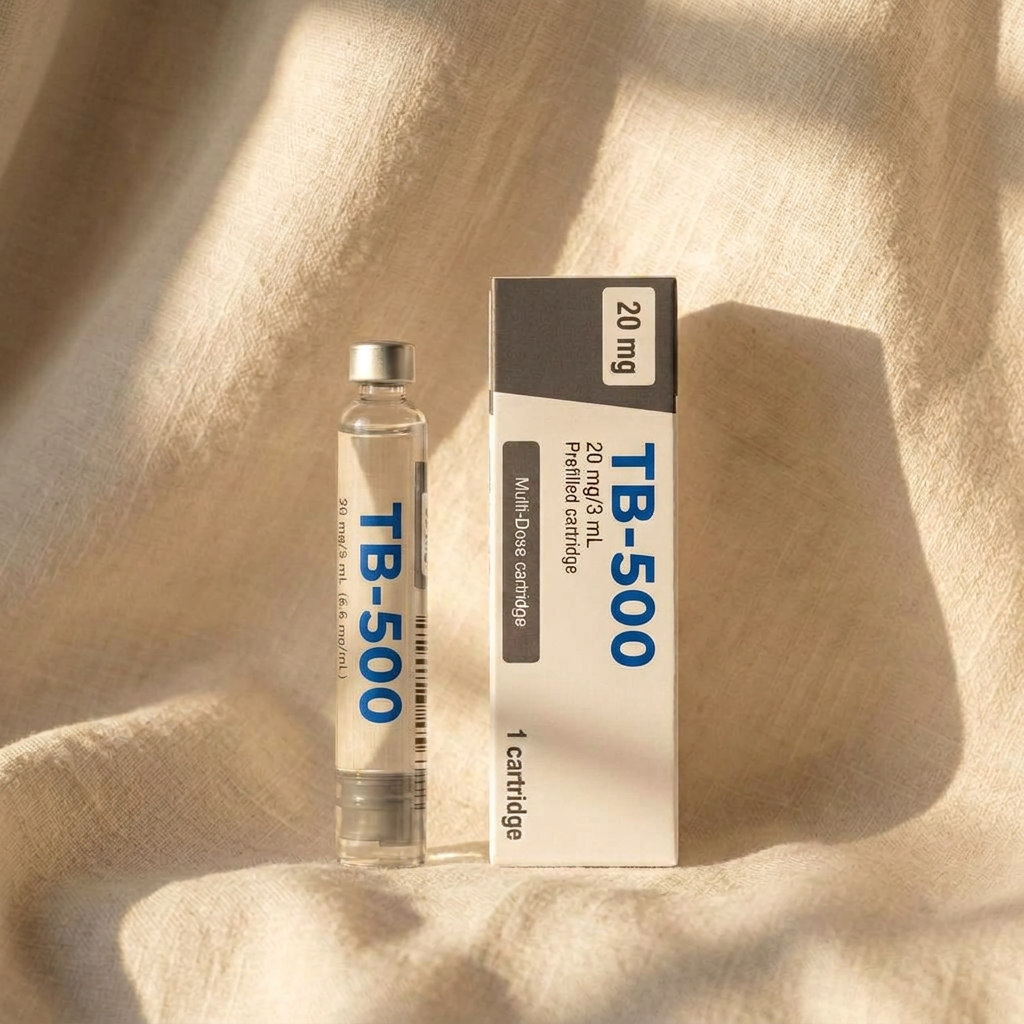
BPC-157 is a synthetic fragment of a protein found in gastric juice. Published research describes effects on angiogenesis and tissue repair in animal models. TB-500 is a synthetic version of a region of thymosin beta-4, a protein involved in actin regulation and cell migration.
The reason they are studied side by side is that the described mechanisms are complementary rather than overlapping — one associated with blood-vessel formation, the other with cell movement into a repair site.
The honest limits
Most of the literature is preclinical. Neither compound is an approved medicine in South Africa, and nothing on this site should be read as a promise of a clinical outcome. Both are supplied strictly for research purposes, subject to our terms.
Adjacent items in the library
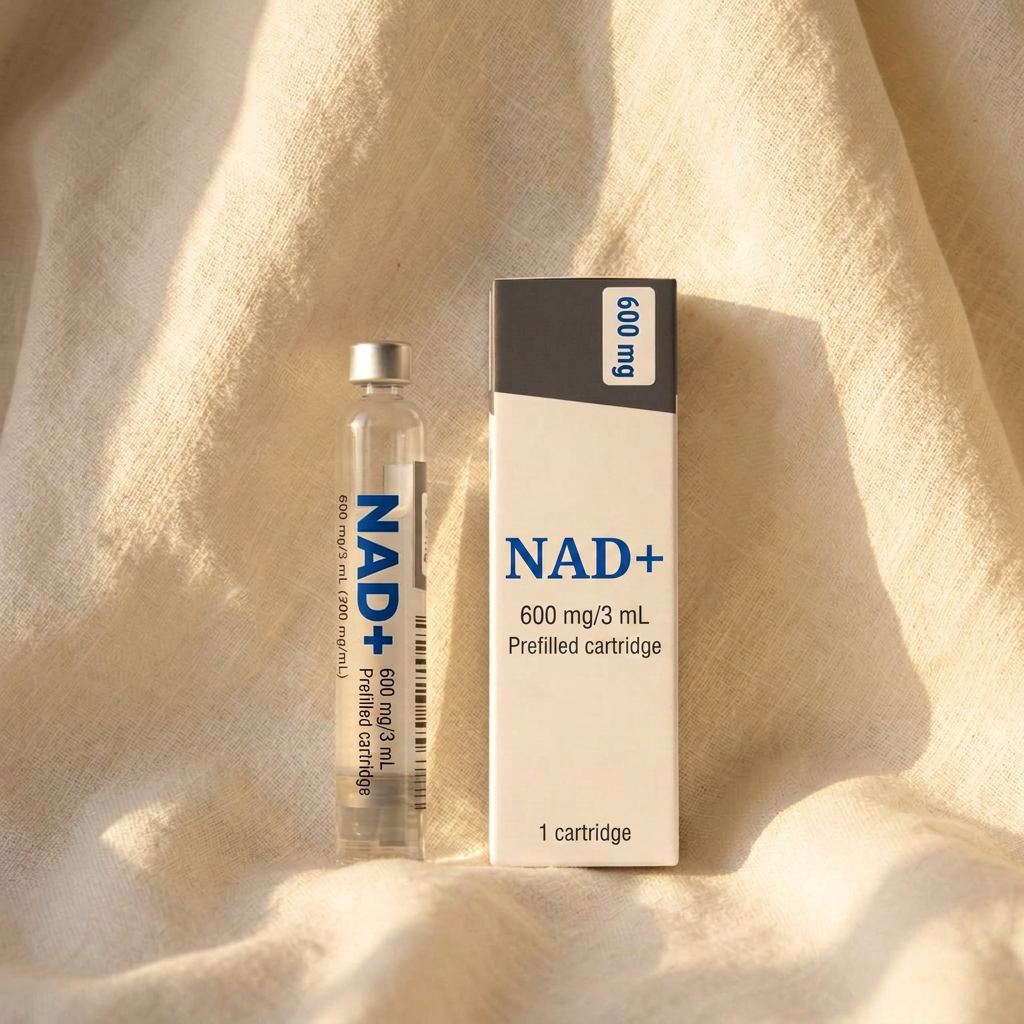
People researching recovery frequently look at NAD+ for cellular energy work, Ipamorelin for growth-hormone axis research, and MOTS-c on the mitochondrial side. Every batch we hold is COA-backed — see certificates.