Methylene blue in South Africa: what it is and why it is having a moment
Methylene blue turns up in every longevity feed. Here is the actual chemistry, what published research describes about mitochondrial function, and how it is supplied locally.
6 August 2026 · 6 min read
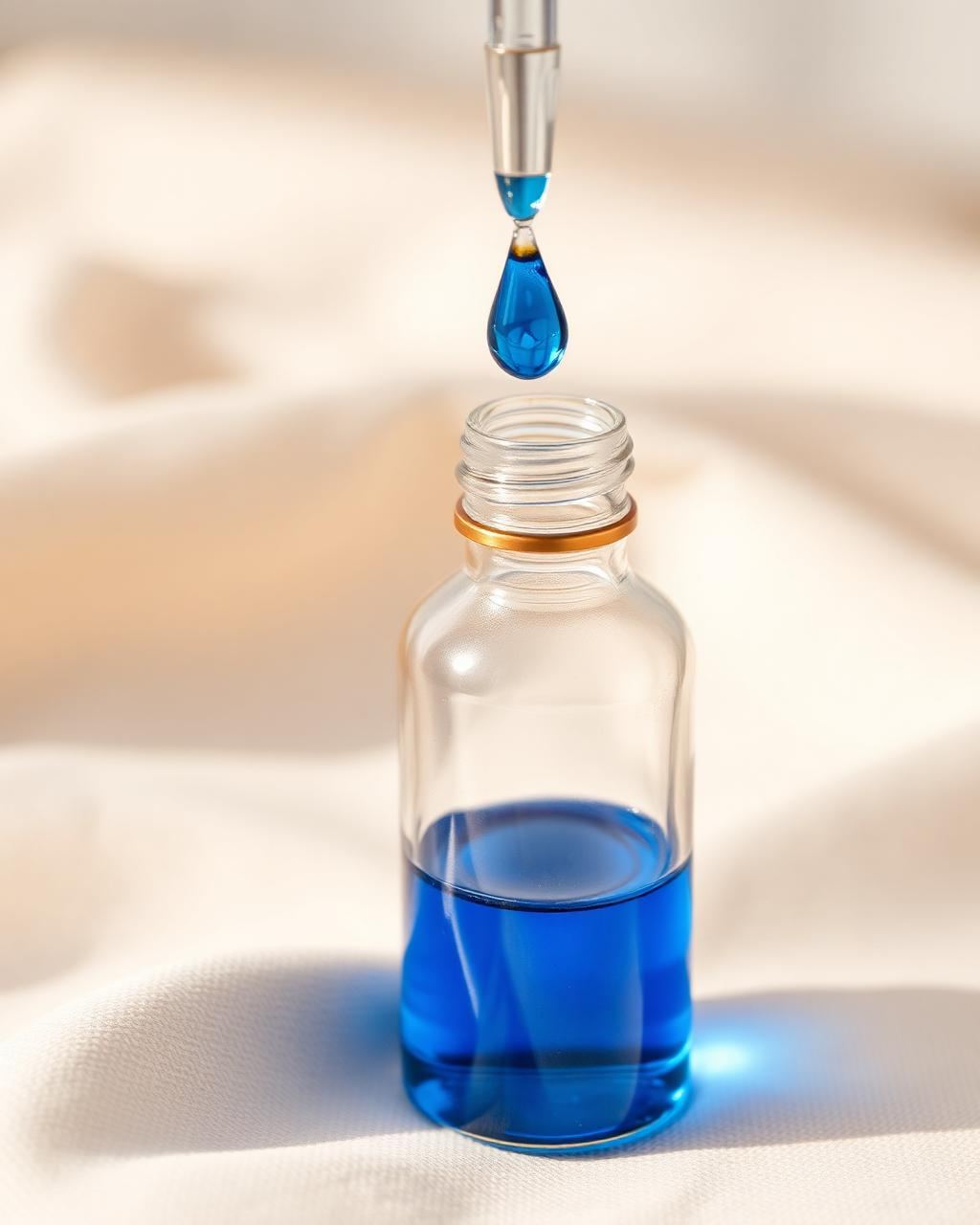
Methylene blue is not a peptide at all — it is a synthetic phenothiazine dye, first made in 1876, and one of the oldest synthetic compounds still in continuous scientific use. It has reappeared in longevity conversations because of what it does inside the mitochondrion.
We supply it in the longevity section of the library, for research purposes only.
What the research describes
Published research describes methylene blue acting as an alternative electron carrier in the mitochondrial electron transport chain — in effect offering electrons a detour when the usual route is congested. That mechanism is why it appears in literature on cellular energy and oxidative stress.
Purity matters more here than with almost anything else in the range. Industrial and aquarium-grade dye is a different product entirely; ours is documented per batch under certificates.
Where it sits alongside the rest
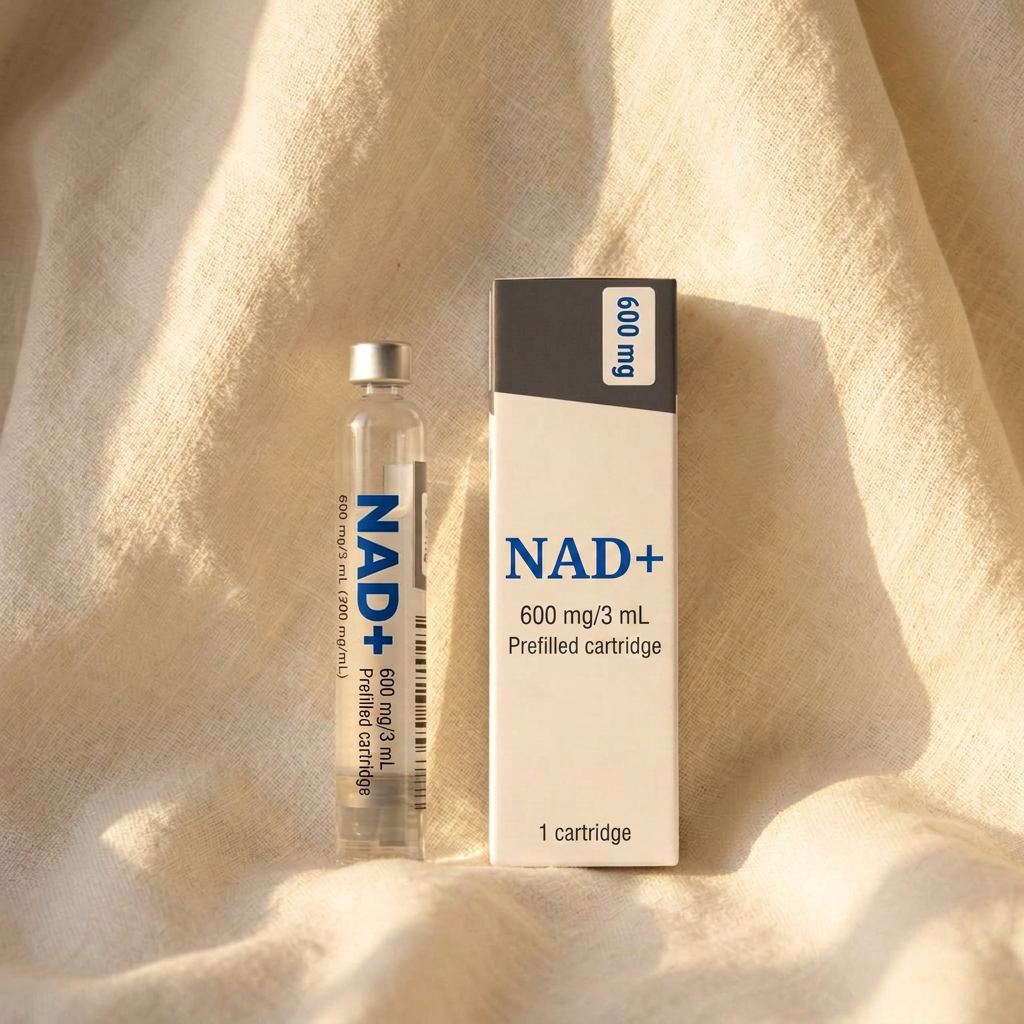
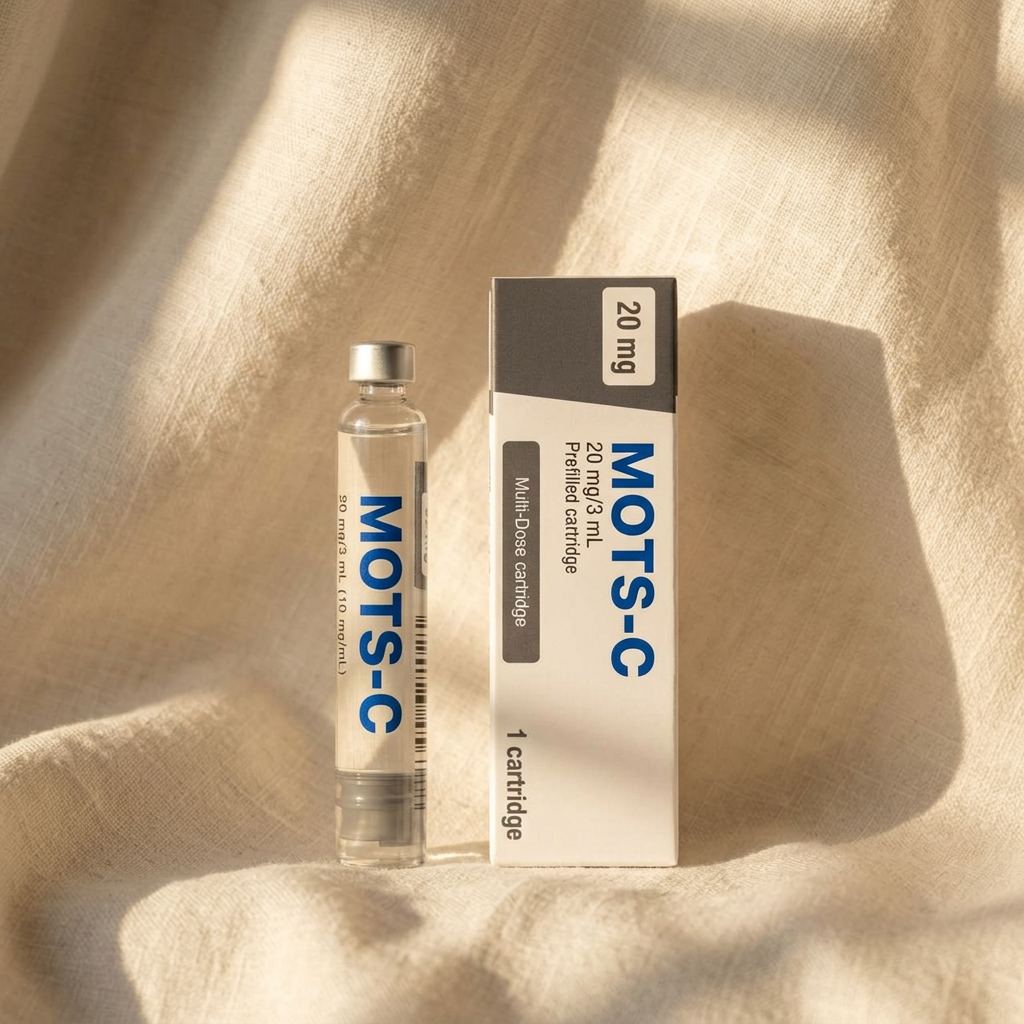
If mitochondrial function is the interest, methylene blue is one of three items worth reading together: NAD+ approaches it through cofactor availability, MOTS-c through mitochondrial-derived signalling, and methylene blue through electron transport itself.
None of the three is a treatment for anything. They are research compounds, and our terms set out exactly what that means before you order.
Ordering locally
Stock is held in South Africa and ships nationally with The Courier Guy — no cold pack needed for this one. Payment is by EFT with clear order references; the process is on the FAQ page. Ordering with a friend through Glow Together earns you both a credit.