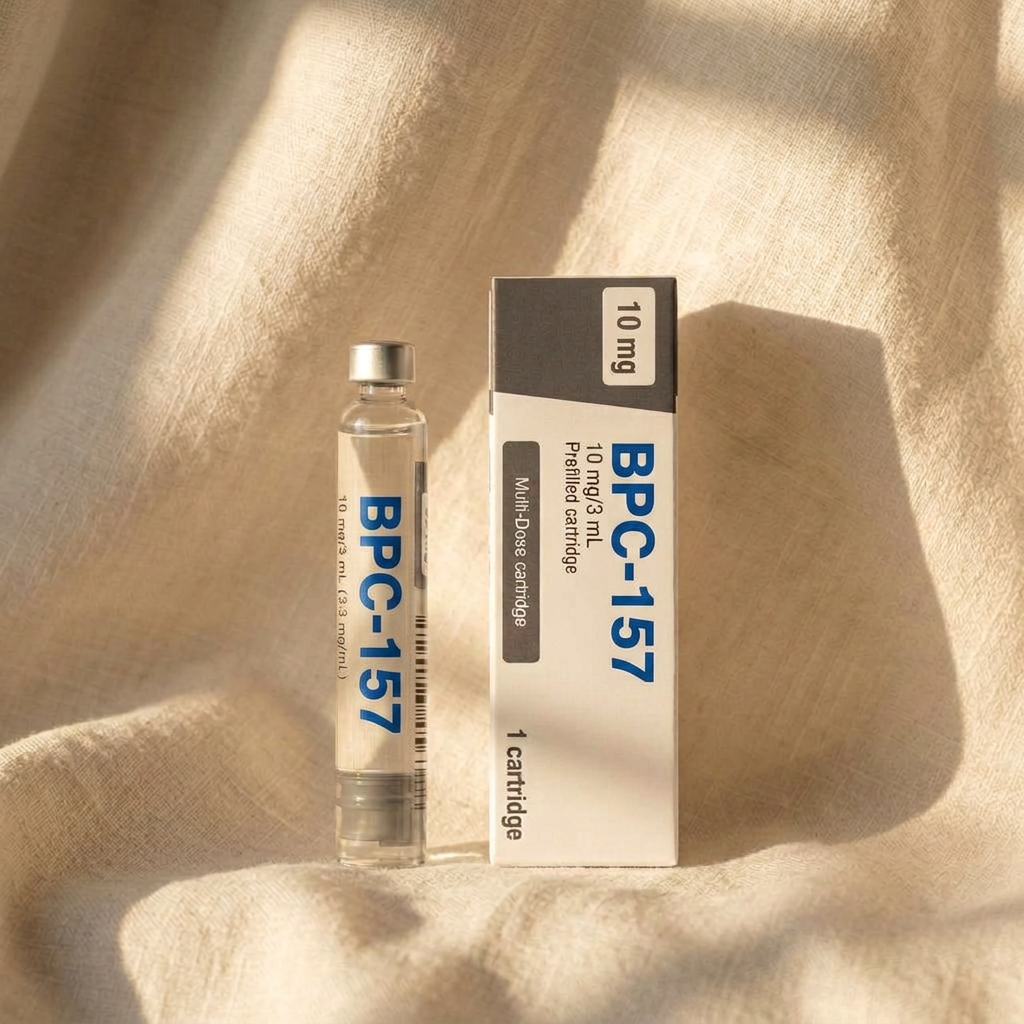
BPC-157 in South Africa: the recovery peptide, explained
What BPC-157 is, what published research actually describes, how it is typically dosed in study protocols, and how to buy it properly in South Africa.
5 August 2026 · 7 min read
BPC-157 is a synthetic pentadecapeptide — fifteen amino acids — derived from a sequence found in human gastric juice. It is the single most-searched recovery peptide in South Africa, and also the one surrounded by the loosest claims online.
We carry it as a ready-mixed BPC-157 cartridge in the peptide library, supplied for research purposes only.
What the research describes
Published preclinical research describes BPC-157 in the context of angiogenesis, tendon and ligament fibroblast activity, and gut-lining integrity. Most of that literature is animal work; robust human trial data is limited, and anyone telling you otherwise is selling harder than the evidence allows.
That is the honest position, and it is the one we take across the whole library — see the science, in plain language.
- Preclinical literature dominates — read it as promising, not proven
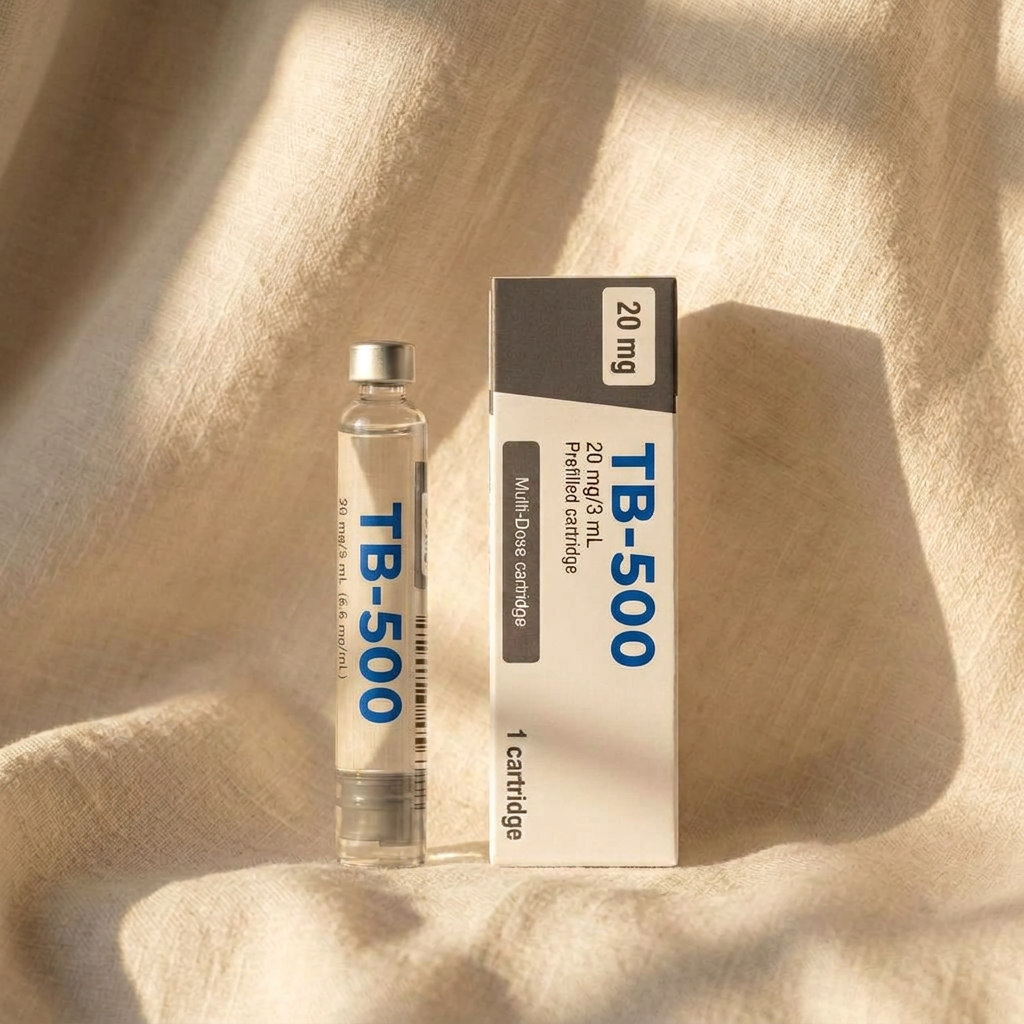
- Frequently studied alongside TB-500
- Not a medicine, and not for human or veterinary consumption
Dosing in the literature
Study protocols vary widely, which is why we publish the reference ranges on the product page rather than a single prescriptive number here. Research protocols typically describe daily microgram-scale dosing over a defined multi-week block rather than open-ended use.
Treat any figure you find on a forum with suspicion. The number that matters is the one tied to a batch you can verify — which is why every order links to its certificate of analysis.
Buying it properly in South Africa
Most of what is sold locally arrives as grey-import lyophilised powder in unlabelled vials, requiring you to reconstitute it yourself and trust an unknown source. Ours is ready-mixed, batch-coded and shipped cold from within South Africa — the handling detail is on the shipping page.
Recovery stacking, and why BPC-157 and TB-500 so often appear together, is covered in the recovery article.