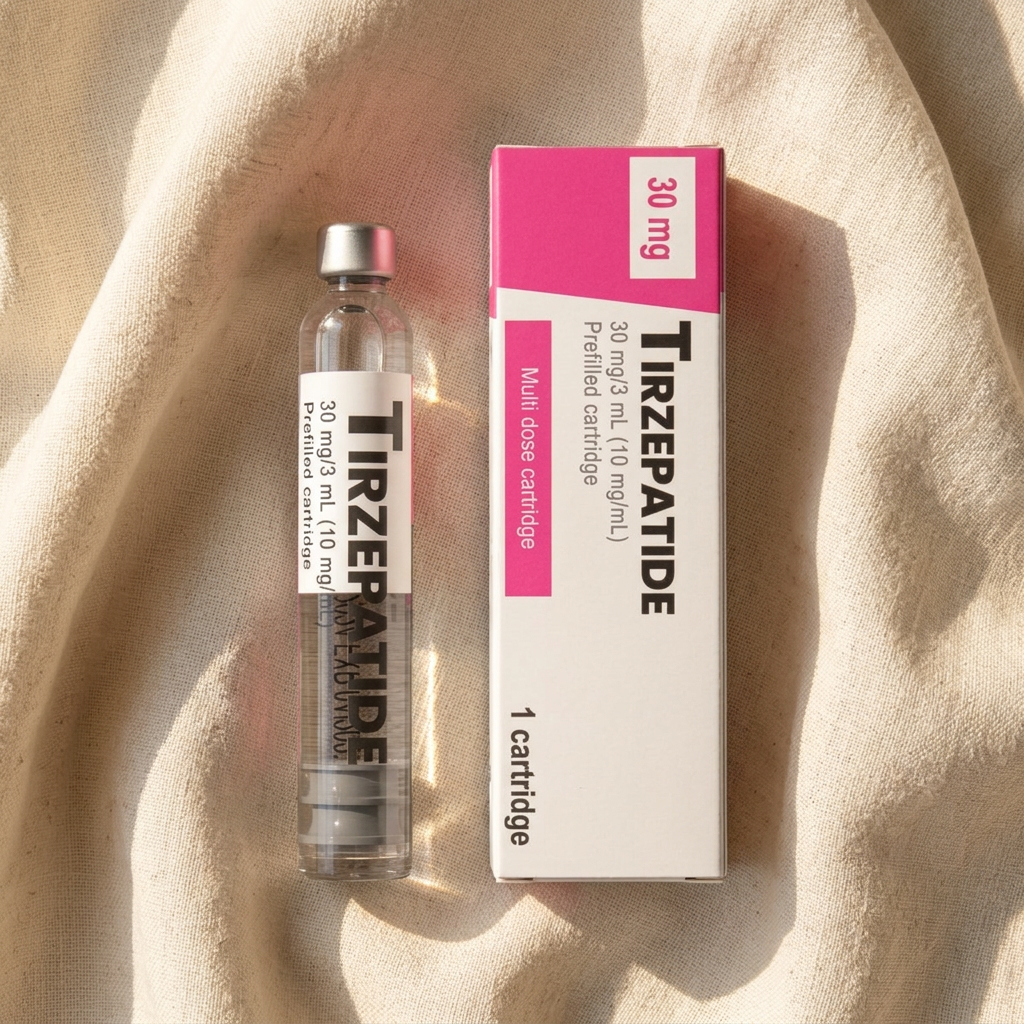
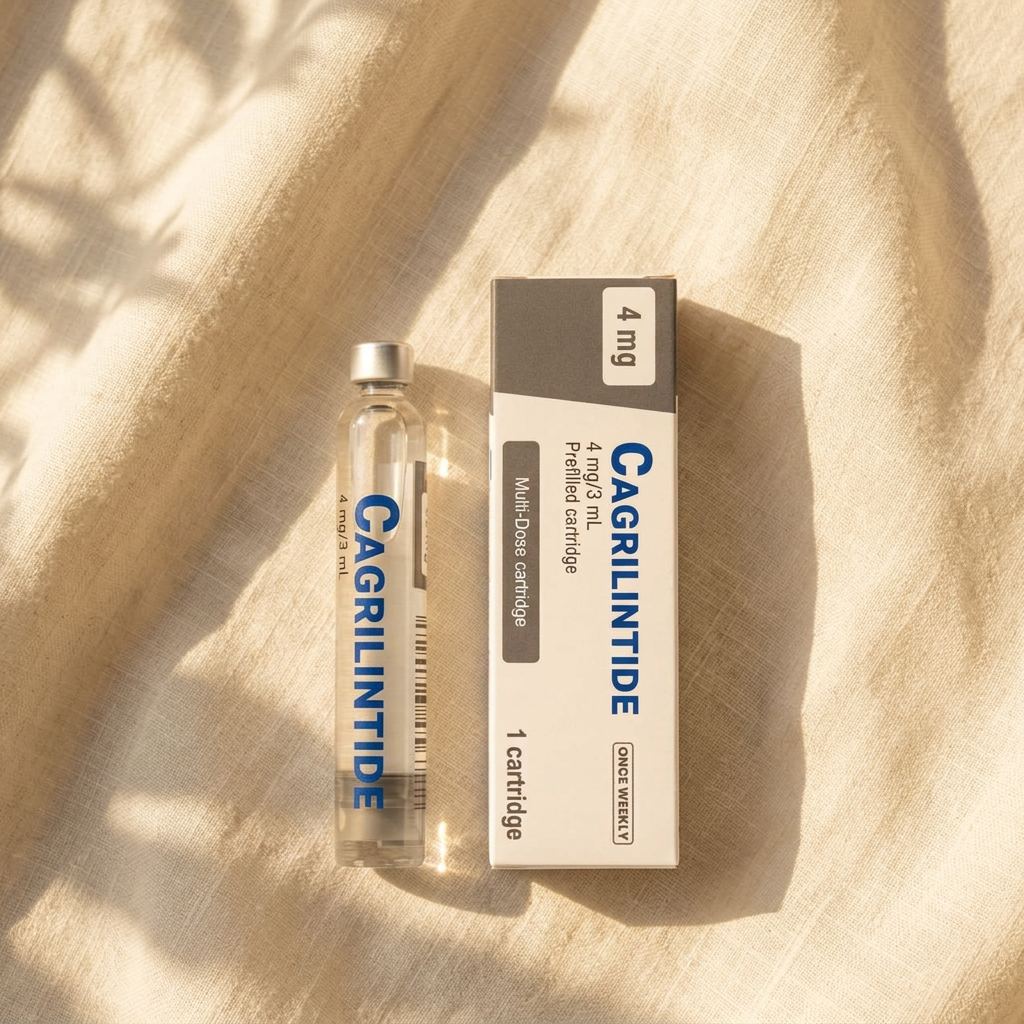
Retatrutide in South Africa: the triple agonist, honestly assessed
Retatrutide is the newest molecule in the GLP-1 family and the least settled. What the published research describes, how the 30mg pen is supplied locally, and why titration matters most here.
8 August 2026 · 7 min read
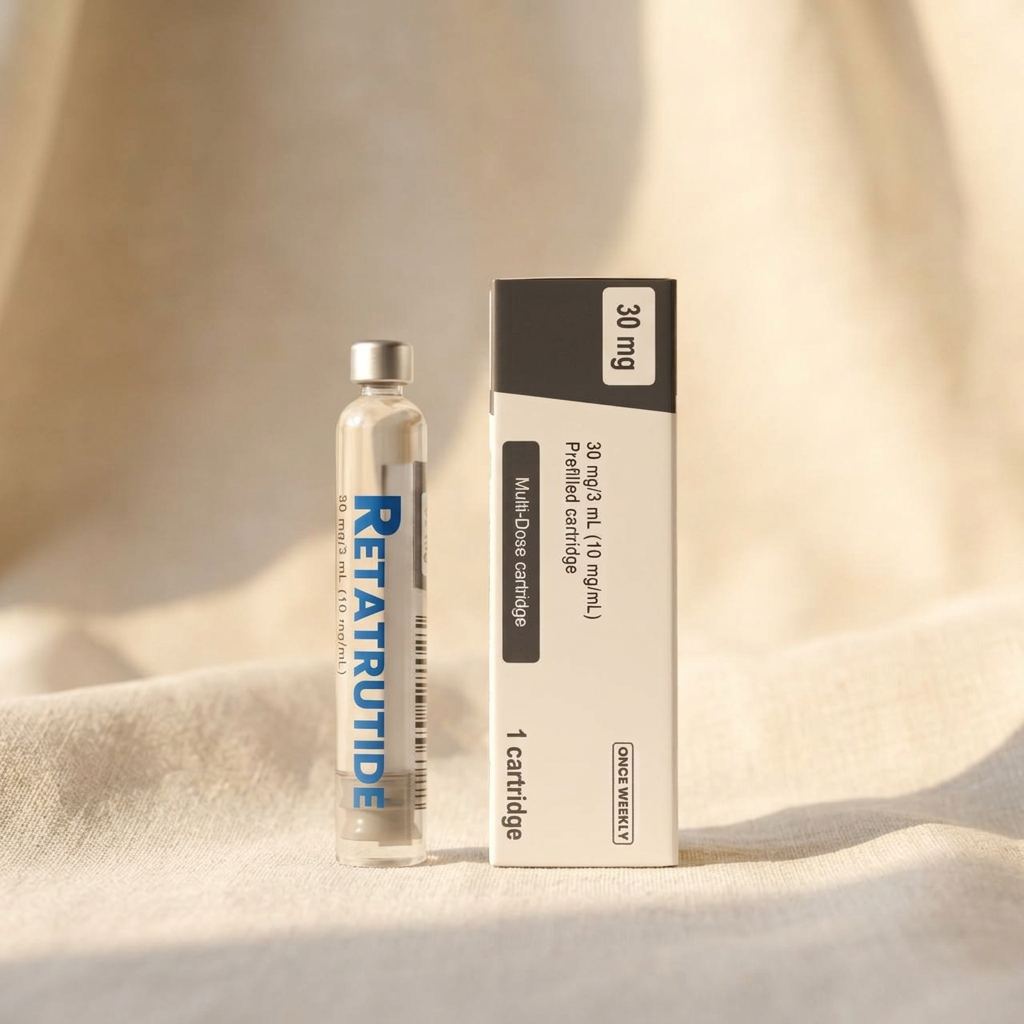
Retatrutide engages three receptors — GIP, GLP-1 and glucagon. It is the newest of the family, the most active area of current published research, and the one where the gap between online enthusiasm and settled evidence is widest.
We supply it as a ready-mixed 30mg pen and cartridge, held in South Africa and shipped cold.
What triple agonism means
Where semaglutide acts on GLP-1 alone and tirzepatide adds GIP, retatrutide adds a glucagon receptor to the pair. Published research describes the glucagon arm as contributing to energy expenditure rather than appetite signalling alone.
The practical consequence is that unhurried titration matters more here than anywhere else in the range. The three-molecule comparison sets the differences out side by side.
How it is supplied
Ready-mixed, sealed and batch-coded — no reconstitution, no vials, no guesswork about concentration. Dosing is by click on a reusable pen; if the format is new, the starter guide covers pens, needles and what a click measures.
The reference titration table sits on the product page itself, transcribed from the supplier leaflet rather than invented by us.
- 30mg cartridge for the reusable pen, or a pre-filled pen
- Ships cold, Monday to Saturday, nationwide
- Batch documents under certificates
Being straight about it
Retatrutide is a research compound. It is not a medicine, not approved for human or veterinary use, and nothing on this site should be read as medical advice — our terms say so plainly and you agree to them at checkout.
Supply comes through Novo-Lela, our pharmacist-led partner, and the handling standard behind it is described in our cold-chain piece.