GHK-Cu: the copper peptide behind bright, calm skin
What the copper tripeptide GHK-Cu actually is, why skin makes less of it with age, and how to layer it into a simple morning and evening routine.
14 July 2026 · 6 min read
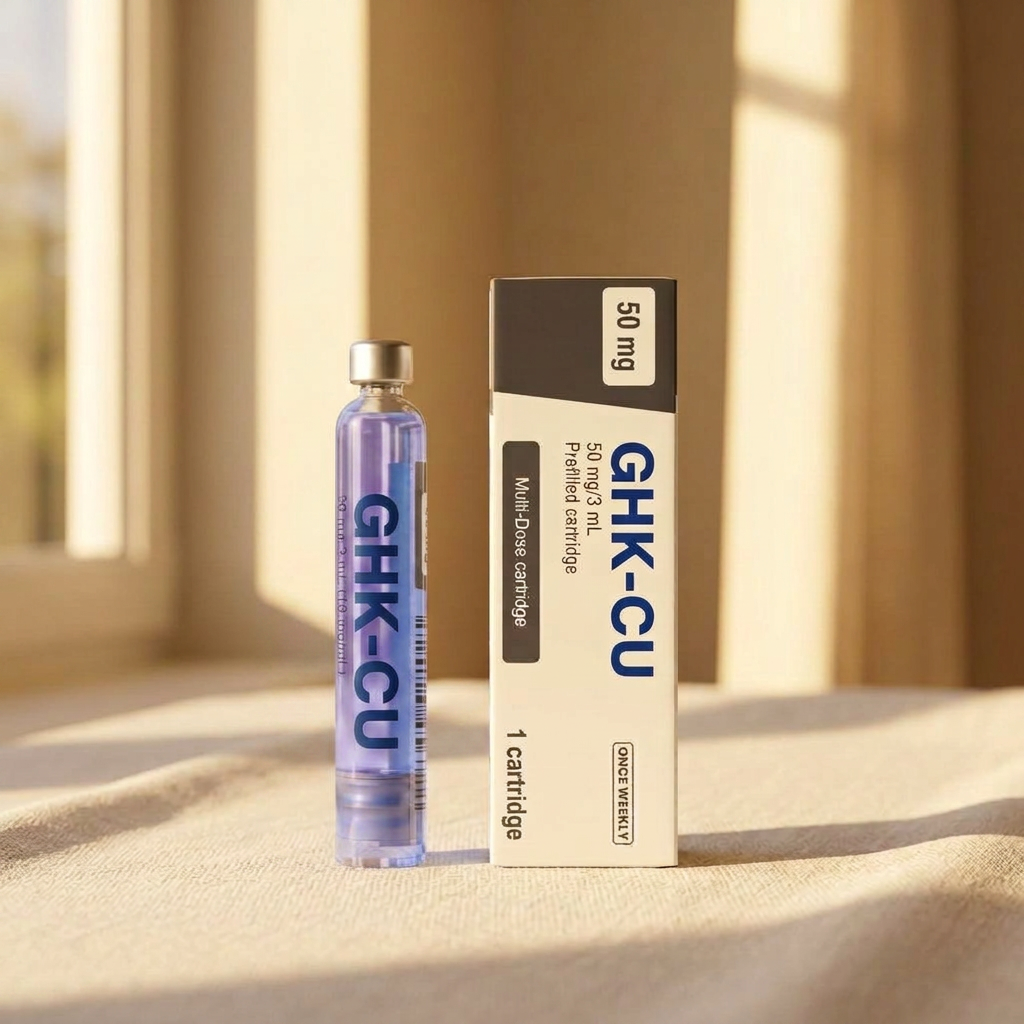
GHK-Cu is a tripeptide — three amino acids — bound to a single copper ion. It occurs naturally in human plasma, and levels fall steadily from your twenties onward. That decline is one of the reasons ageing skin repairs more slowly than young skin does.
It is also the reason copper peptides became a fixture in serious skincare. You can read the full ingredient story on our science page, or shop the formula directly as the Blue Copper Peptide Serum.
What the research describes
Published research describes GHK-Cu as a signalling peptide: rather than exfoliating or occluding, it appears to communicate with skin cells about repair. Studies have looked at its role in collagen and glycosaminoglycan synthesis, antioxidant activity and wound healing.
In cosmetic use the practical read-across is modest and cumulative — firmness, tone and a calmer barrier over weeks, not a same-night transformation.
- Signalling, not sanding — it plays well with a sensitive barrier
- Best measured at 8–12 weeks of consistent use
- Layers under moisturiser; pairs naturally with SPF in the morning
How to layer it
Cleanse with something that does not strip — our Repairing Cleanser was built for exactly this step. Apply the serum to damp skin, then seal with the Peptide Cream.
Keep strong direct acids and high-strength vitamin C to a different time of day. Copper peptides and low-pH actives in the same layer is the one combination worth separating.
Where it sits in the wider range
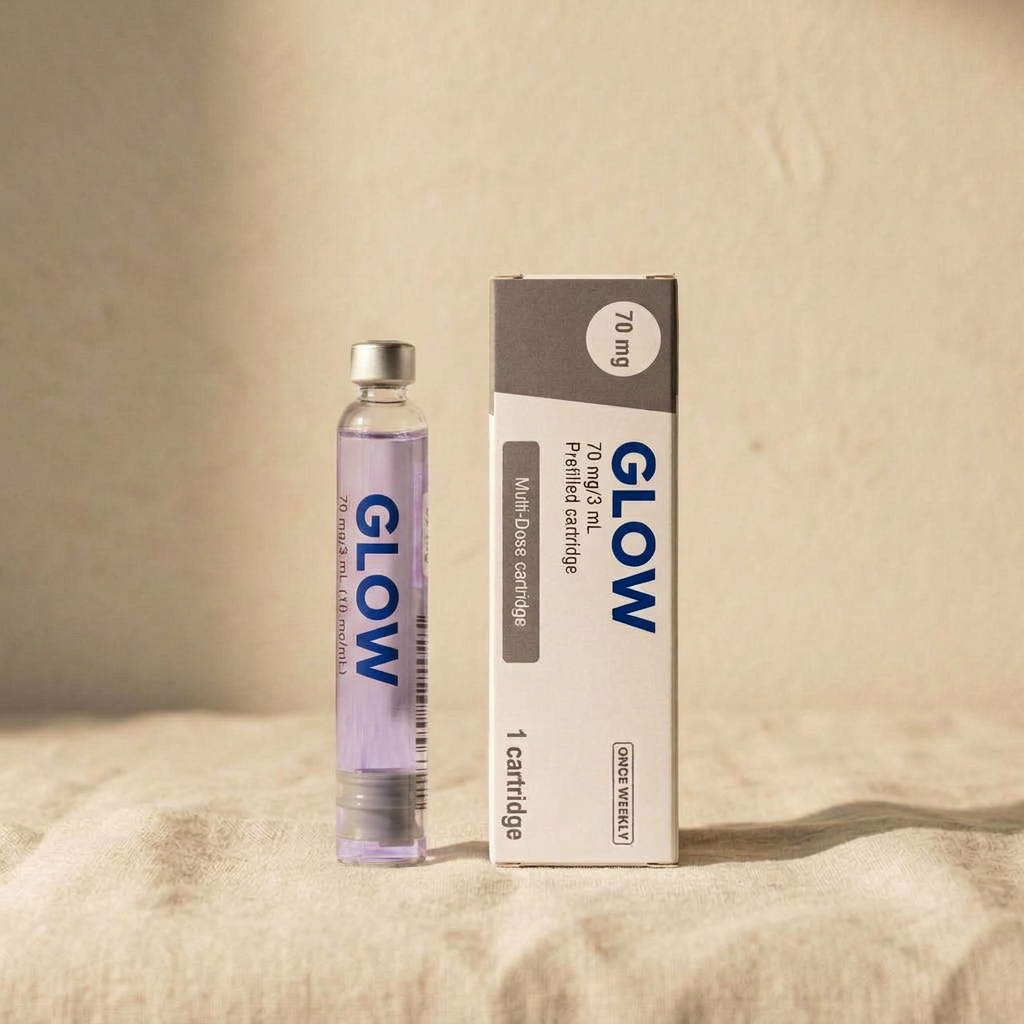
GHK-Cu also exists as a research cartridge in the peptide library, alongside Glow for those working on skin from a different angle. Topical and research formats are not interchangeable — the library items are supplied for research purposes only.